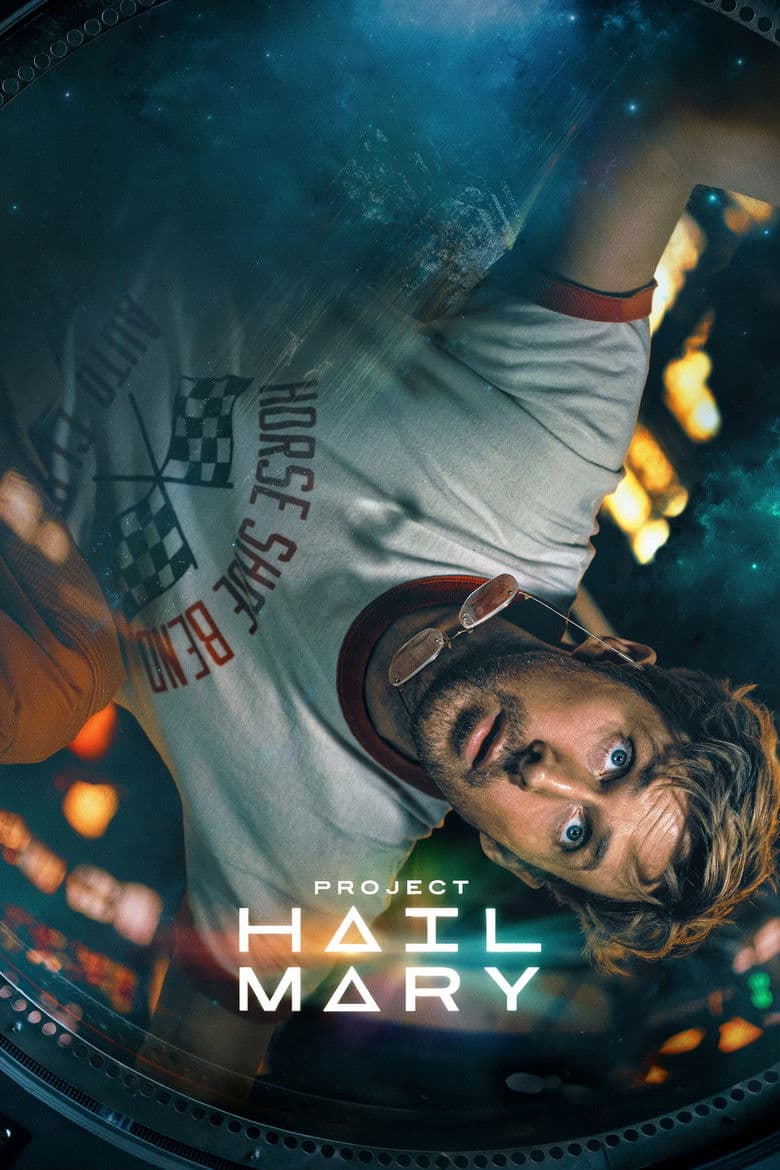
When Andy Weir's The Martian became a surprise hit in 2015, earning $630 million worldwide and seven Oscar nominations, it seemed like Hollywood had found the perfect formula for smart science fiction. Now, with Project Hail Mary scheduled for March 2026, the band's getting back together - but the landscape has shifted considerably since Mark Watney grew potatoes on Mars.
The project reunites Weir with producers Simon Kinberg and Aditya Sood, though notably absent is director Ridley Scott, who's currently occupied with his expanding Gladiator universe. Phil Lord and Christopher Miller are reportedly in talks to direct, which would mark their first live-action feature since 2014's 22 Jump Street.
Ryan Gosling is attached to star as Ryland Grace, the amnesiac science teacher tasked with saving Earth from solar extinction. It's a role that seems engineered for Gosling's particular brand of understated intensity - think his work in Blade Runner 2049 crossed with his surprising comedic timing from The Big Short.
The Science Fiction Market Has Changed
The timing couldn't be more different from The Martian's release. In 2015, adult-oriented science fiction was having a moment. Interstellar had just proven audiences would show up for cerebral space epics, and Gravity's $723 million haul was still fresh in executives' minds. Today's theatrical landscape is less forgiving.
Recent attempts at thoughtful sci-fi have struggled to find audiences. Ad Astra managed $127 million worldwide despite Brad Pitt's star power. Tenet's pandemic-affected release topped out at $365 million. Even Nolan's name couldn't save it from becoming his lowest-grossing film since The Prestige.
The saving grace might be Weir's source material itself. Project Hail Mary has sold exceptionally well since its 2021 release, spending months on bestseller lists and maintaining strong word-of-mouth. The book's central relationship - between Grace and an alien he nicknames Rocky - provides the kind of emotional hook that turned The Martian from survival procedural into crowd-pleaser.Production Challenges Ahead
MGM, now under Amazon's umbrella, faces interesting decisions about the film's release strategy. Will they commit to a traditional theatrical window, or hedge their bets with a shortened exclusive run before streaming? The budget will likely dictate the answer. The Martian cost a relatively modest $108 million to produce - if Project Hail Mary balloons beyond $150 million, Amazon might get nervous about theatrical prospects.
The screenplay adaptation presents its own challenges. Drew Goddard, who adapted The Martian, isn't returning. The book's structure - alternating between present-day space crisis and flashbacks explaining how Grace got there - requires careful handling to avoid the exposition dumps that sink so many high-concept films.
There's also the matter of Rocky, the spider-like alien who becomes Grace's collaborator. Creating a believable, emotive non-humanoid character will test the visual effects team. Get it wrong, and you have another Sonic the Hedgehog situation requiring expensive fixes. Get it right, and you might have the next Groot.The Streaming Factor
Perhaps the biggest wildcard is Amazon itself. The company has shown willingness to spend on tentpole releases - Road House reportedly cost $85 million, The Tomorrow War $200 million - but their theatrical commitment remains inconsistent. Air got a wide release and performed respectably. Red One is getting a theatrical push this holiday season. But plenty of other big-budget Amazon productions have gone straight to streaming.
For Project Hail Mary to justify its existence as more than Prime Video content, it needs to hit different. The Martian worked because it offered something superhero-saturated audiences weren't getting elsewhere: an optimistic story about human ingenuity where science itself was the hero. Whether that formula still works a decade later is the multi-million dollar question.
The March 2026 date positions it away from summer blockbuster season, following The Martian's successful October playbook. But it also puts it up against whatever Disney has planned for that spring break corridor. If Project Hail Mary can't find clear air, it might become another casualty of the streaming wars - prestigious, well-reviewed, and watched primarily at home.Project Hail MaryAndy WeirRyan Goslingscience fictionAmazon MGMThe Martian