There’s a clear pattern emerging when you look at projects like King Spawn, Alien Legion, Doc Savage, and even long-circling game adaptations like Metal Gear Solid or BioShock. On paper, these are exactly the kinds of titles studios should be making. They come with built-in audiences, recognisable worlds, and decades of material to draw from. And yet, many of them stall repeatedly, sometimes for years, sometimes for decades, without ever reaching production.
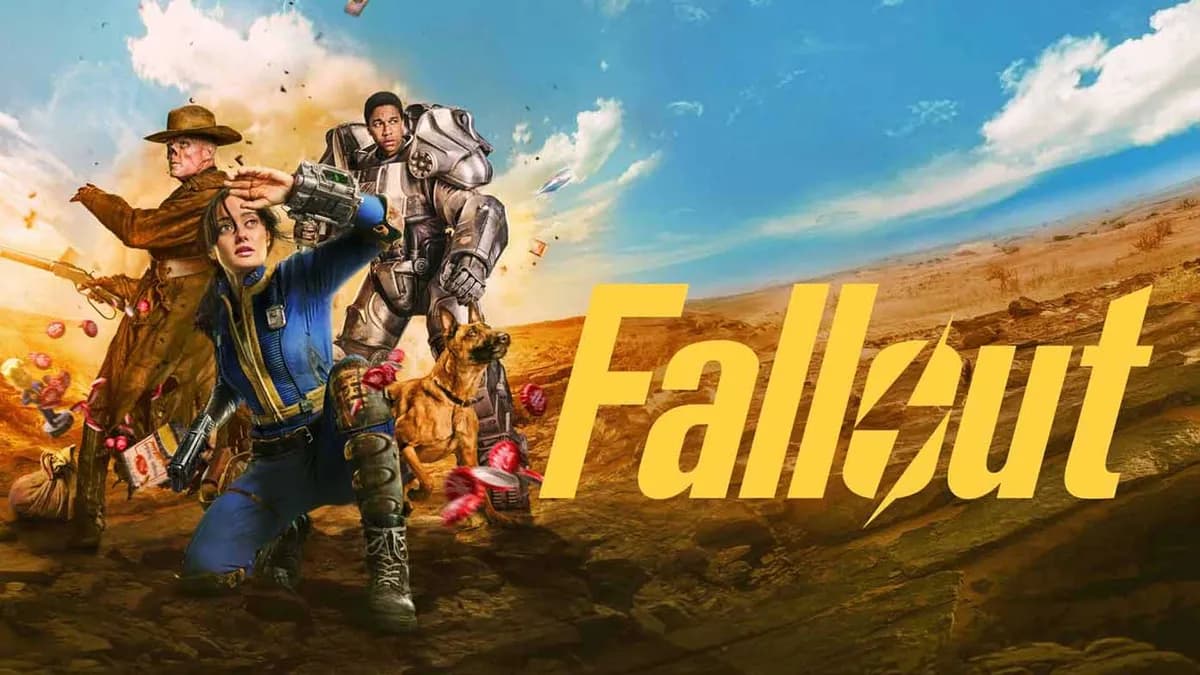
At the same time, something like Fallout has not only made it through development, but landed successfully as a fully realised, high-end production. So the question becomes: what’s actually separating the projects that make it from the ones that don’t?
The biggest difference is clarity of tone. A project like Duke Nukem has been circling for years not because studios don’t see the value, but because they don’t know what version of the character works today. Is it satire, is it nostalgia, is it parody, or is it a straight action film? That uncertainty creates endless rewrites, which slows development to a halt. The same issue appears in Spawn, where the push for a darker, horror-led version clashes with how studios typically position comic book properties.
By contrast, Fallout arrives with a very clear identity. It knows exactly what it is: a stylised, darkly comedic post-apocalyptic world that leans into its tone rather than trying to smooth it out for broader appeal. That clarity allows decisions to be made quickly, which is often the difference between a project moving forward or stalling indefinitely.
Another major factor is scale versus risk. Many of the projects on your list, especially things like At the Mountains of Madness or Alien Legion, are inherently expensive. They require large budgets, visual effects, and world-building before a single frame is shot. But unlike established cinematic franchises, they don’t come with guaranteed box office certainty. That creates a gap where studios want blockbuster scope but aren’t willing to fully commit financially, which leads to endless development cycles without greenlight.
Fallout sidesteps this by landing in television, where that risk is spread differently. Streaming platforms can justify large budgets over multiple episodes, and the success metrics are not tied purely to opening weekend box office. That shift in format is becoming increasingly important, especially for complex IP that doesn’t fit neatly into a two-hour film.
There’s also the issue of ownership and creative control. Projects like Akira or Doc Savage have passed through multiple studios, directors, and producers over the years, each bringing a different vision. Every time that happens, development effectively resets. Scripts are rewritten, tone shifts, and momentum is lost. By the time a version is ready, the market has often moved on, or the attached talent has left.
In contrast, successful adaptations tend to have a clear creative driver. Whether that’s a showrunner, director, or tightly aligned production team, there’s usually one guiding vision that carries the project through development rather than letting it fragment.
Finally, there’s timing. Some of these properties were first developed at a time when studios didn’t fully understand how to adapt them. Others are now competing in a market saturated with franchise content. That creates a strange situation where they are both too early and too late at the same time. They’ve been in development long enough to lose momentum, but not enough to reinvent themselves for a new audience.
What all of this points to is a simple reality: having a large audience or recognisable IP is no longer enough to get a project made. If anything, it can slow things down, because expectations are higher, risks are greater, and creative decisions become more contested.
Projects like Fallout work because they arrive with clarity, the right format, and a unified vision. The ones that don’t make it are often caught in the opposite position, stuck between versions of themselves, waiting for a studio or filmmaker to finally decide what they are.