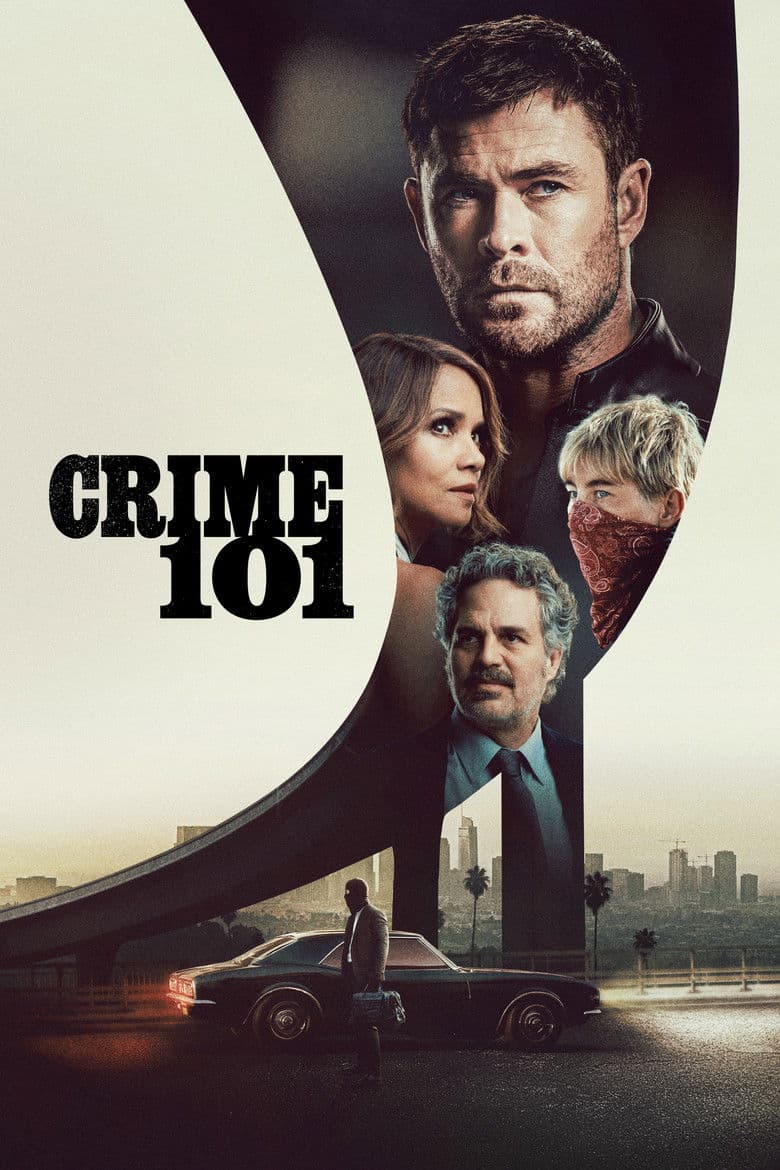
The scheduling of Crime 101 for February 13, 2026 tells us more about Hollywood's current risk calculus than any trade announcement could. Here's a heist thriller - a genre that's been box office poison for nearly a decade - landing a prime late-winter slot typically reserved for action tentpoles and prestige spillovers.
The premise reads like vintage Michael Mann crossed with Heat's freeway geography: a career thief targeting scores along LA's 101 corridor plans one last job while a detective closes in. Standard stuff, except for one detail - the insurance broker angle. That's not window dressing. It signals a film interested in the financial mechanics of modern crime, not just the adrenaline rush.
The February Gambit
February release dates have become Hollywood's most interesting chess moves. It's where studios park films they believe in but can't quite position as summer blockbusters or awards contenders. Think Deadpool's $363 million domestic haul in February 2016, or Black Panther's record-breaking February 2018 run.
Crime 101's placement suggests the studio sees commercial potential beyond the typical straight-to-streaming thriller. The 321.7823 TMDB popularity score - while pre-release metrics should be taken with salt - indicates solid anticipation levels. For context, most mid-budget thrillers hover around 150-200 in similar pre-release windows.The Heist Film Problem
Let's be honest: pure heist films have been a tough sell since the mid-2010s. The Town in 2010 was probably the last unqualified success in the genre, pulling $154 million worldwide on a $37 million budget. Since then? Baby Driver worked because Edgar Wright turned it into a musical. The Kitchen flopped. Triple Frontier went straight to Netflix.
Crime 101's insurance broker character might be the key differentiator. Recent successes like The Accountant ($155 million worldwide) and The Tax Collector showed audiences respond to crime films that dig into financial systems. An insurance investigator brings built-in stakes - every heist means blown quarterly projections, angry shareholders, career implosion.The 101 Factor
Setting the action along LA's 101 freeway isn't just geographic specificity - it's a production value multiplier. The 101 runs through money: Calabasas, Sherman Oaks, Hollywood, downtown. You get visual variety without location moves. More importantly, it grounds the film in actual LA geography, not the generic "movie Los Angeles" of rooftop helipads and sunset chases.
The detective-thief-investigator triangle also suggests a film aware of its genre requirements. Three perspectives mean three different movie tones fighting for dominance: procedural (detective), existential crime drama (thief), and corporate thriller (broker). If the script manages that balance, February 2026 could see something more interesting than another Den of Thieves sequel.The Verdict
Crime 101's February date represents a calculated bet that audiences want smart crime films, not just dumb action. The insurance angle suggests a movie interested in how modern theft actually works - data breaches, inside information, corporate vulnerability. That's potentially fresh territory.
Whether it delivers depends entirely on execution. Cast the thief with someone who can sell world-weariness without cliche. Make the insurance broker more than a love interest or moral compass. Give the detective actual detective work, not just tough-guy posturing.
The mid-budget thriller isn't dead. It's just gotten pickier about its concepts. Crime 101's specific premise and confident release date suggest someone in the studio system still believes in the genre's commercial potential. In a market dominated by $200 million superhero films and $5 million horror movies, that's worth noting.Crime 101heist thrillerFebruary 2026 releasesmid-budget filmsLA crime films