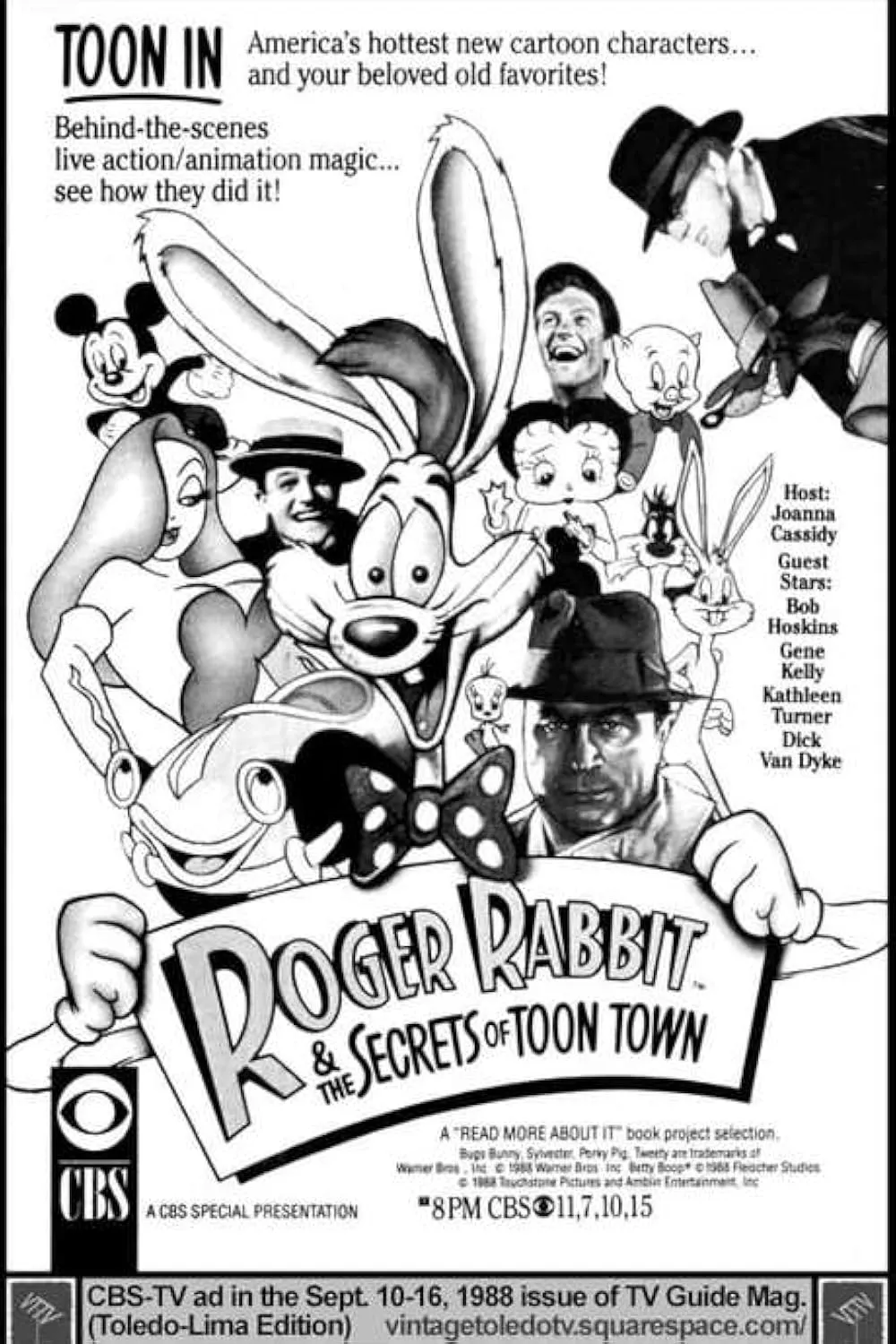
The long-rumoured sequel to Who Framed Roger Rabbit (1988) would return to the hybrid world where animated characters and humans coexist, following detective Eddie Valiant and the chaotic, cartoon logic of Roger himself. The original film’s blend of noir storytelling and groundbreaking animation still feels unique today, which is exactly why a sequel has always felt like both an obvious move and a strangely difficult one to pull off.
What makes this project so appealing is how ahead of its time the original was, combining technical innovation with a genuinely sharp script and tone. With modern visual effects, there’s a strong sense that a sequel could push even further, potentially reintroducing classic characters while updating the concept for a new audience. It’s also one of those rare legacy titles that still has genuine brand recognition without being overexposed.
In terms of timeline, development on a sequel dates back as far as the early 1990s, with multiple scripts and concepts explored over the years, including involvement from Robert Zemeckis. Despite occasional comments from creatives suggesting interest, the project has never moved into active production, and Disney has remained largely resistant to moving forward, with Zemeckis himself noting that a sequel is unlikely under the studio’s current direction.
More recently, however, there has been a shift. Creator Gary K. Wolf has regained the rights to his characters and is now exploring multiple new projects within the Roger Rabbit universe, including potential film adaptations and new stories outside of Disney’s direct control, as reported by SuperHeroHype. This opens the door to the franchise continuing in a completely different form, but as of now, there are no studios attached and no confirmed productions in motion.
That leaves the traditional sequel effectively dormant, with no meaningful production movement or studio-backed development for well over a year, while the property itself sits in a strange in-between state, technically active again, but not in the way audiences originally expected.