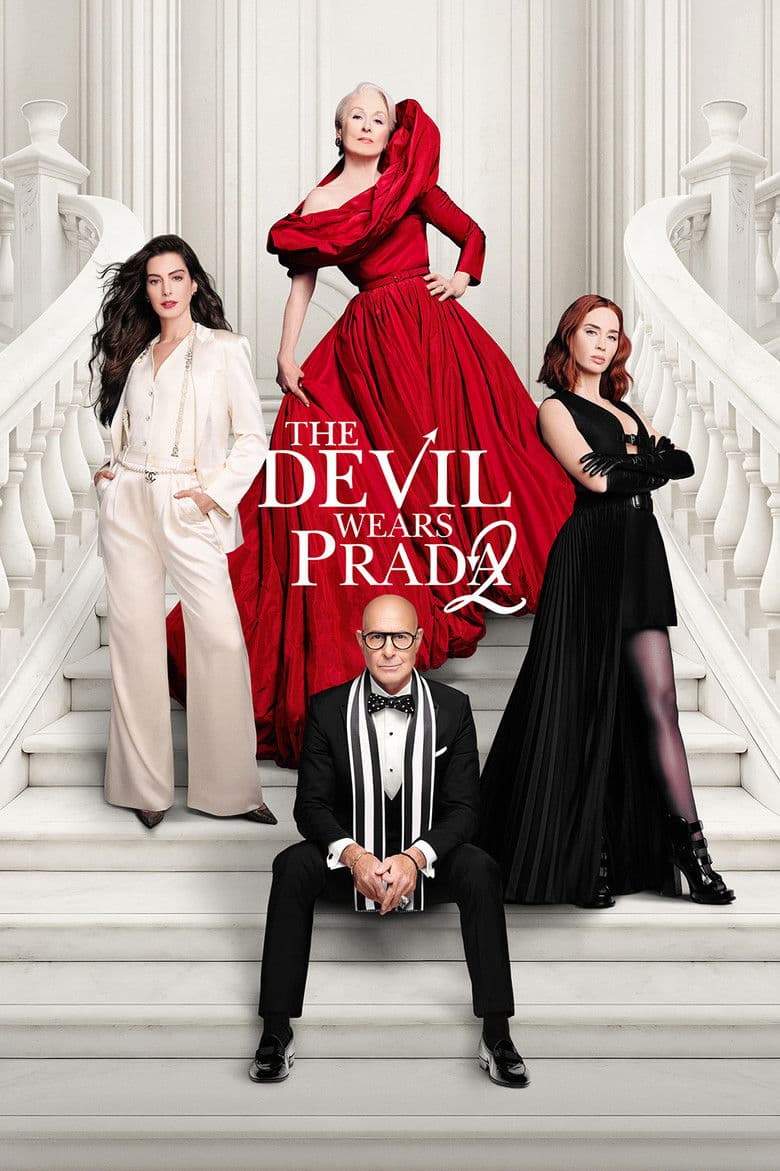
Twenty years after terrorizing assistants with impossible demands and withering glares, Miranda Priestly is back.
The sequel to The Devil Wears Prada is no longer speculation. The film has premiered and is set for a May 2026 release, bringing back the original cast, including Meryl Streep, Anne Hathaway, Emily Blunt and Stanley Tucci. What matters more than the return, though, is the context it’s returning into.
The original film arrived at a time when fashion magazines still held real cultural power. That version of the industry doesn’t exist anymore. Print has declined, advertising has shifted, and the influence once concentrated in a handful of titles has been pulled apart. The sequel leans directly into that shift, with Miranda Priestly now dealing with a system that no longer works in her favour.
According to The Independent, the story reflects this change in a more direct way. Emily Blunt’s character, once the assistant fighting to keep up, has moved into a position of financial power within the luxury sector. That reverses the dynamic that defined the first film. Miranda is no longer dictating terms in the same way. She’s dealing with a landscape where the money sits elsewhere.
That shift tracks with what has happened in reality. Large luxury groups now hold far more control over where advertising money goes, while traditional magazines have had to adapt or cut back. The sequel doesn’t ignore that. It builds the premise around it.
The decision to continue the story now, rather than leave it as a standalone film, ties into that change. The characters haven’t been replaced, and the franchise hasn’t been rebooted. Instead, it’s being used to show what happens when a system that once worked starts to fall apart. That gives the film a different weight compared to the original. It’s not about entering that world anymore, it’s about trying to hold onto it.