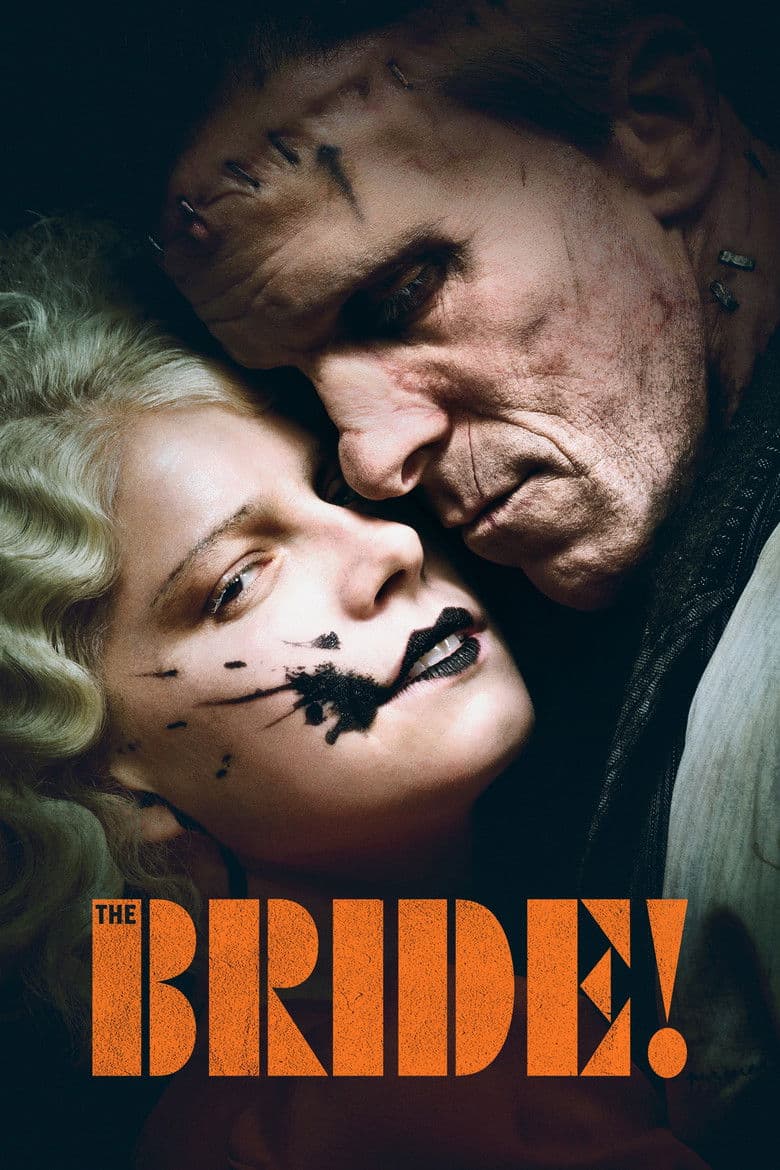
Universal Pictures is returning to its classic monster properties with The Bride!, directed by Maggie Gyllenhaal and scheduled for release in March 2026. The project marks another attempt by the studio to rework its legacy characters following the collapse of the Dark Universe strategy that began with The Mummy (2017).
The film is set in 1930s Chicago and reimagines elements of the Frankenstein story, with the Monster seeking a companion created through scientific intervention. The setting alone separates it from earlier versions, including Bride of Frankenstein (1935) and Mary Shelley’s Frankenstein (1994), shifting the story into a period associated with organised crime, economic instability, and rapid social change.
Gyllenhaal’s involvement is central to how the project is being positioned. Her directorial debut The Lost Daughter (2021) received strong critical attention and earned multiple award nominations, including an Academy Award nomination for Olivia Colman. That film was defined by performance-led storytelling, which suggests a different approach to material that has traditionally been treated as visual spectacle rather than character-driven drama.
Universal’s approach to its monster properties has shifted significantly over the past decade. After the Dark Universe failed to launch as a shared franchise, the studio moved toward smaller, director-led projects. The Invisible Man (2020), directed by Leigh Whannell, was produced on a relatively modest budget and became a commercial and critical success, establishing a model based on creative control rather than franchise planning.
Previous attempts to revisit the Bride of Frankenstein story have had mixed results. The Bride (1985) failed to make a significant impact, and a later version developed by director Bill Condon was ultimately cancelled before production began.
The core material brings its own challenges. The original Bride character has historically been defined through her relationship to the Monster and her role as a constructed companion, which raises questions around agency and identity. A contemporary adaptation is likely to address those elements more directly, given how central they are to the original narrative.
The March 2026 release places the film within a window that Universal has used effectively for horror and genre releases in recent years. It’s a space that allows for more focused projects without the pressure of summer or holiday competition, and it aligns with the studio’s current strategy of developing contained, filmmaker-driven reinterpretations of its catalogue.